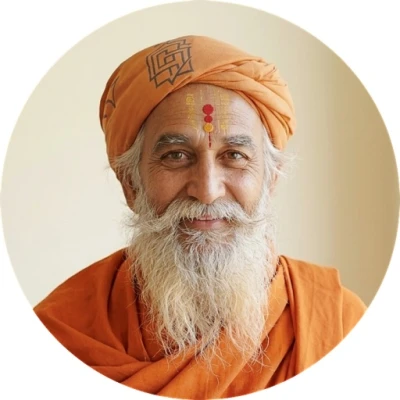
Ichchhit deen chatak, nirmal toy nijsukh. Paajave Madhava ya, saambhal apuli bhaak, apuli bhaak॥ Aarti Saibaba, saukhyadata jeeva॥
Frequently asked questions about Aarti Sai Baba Ki
Why is this aarti in Marathi?
Because it comes from the Shirdi tradition, where the aarti sangraha is largely Marathi - much of it composed by Madhav Adkar and other devotees and sung at Baba's own samadhi. The page gives a Roman text so devotees who do not read Marathi can follow.
When is it sung?
Shirdi sings four aartis a day - Kakad at dawn, Madhyan at noon, Dhoop at dusk and Shej at night - and this is part of that cycle. At home it is sung on Thursdays, which devotees keep as Baba's day, and at Guru Purnima.
What are shraddha and saburi?
Faith and patient endurance - the two things Baba asked of everyone who came to him, and the whole of his teaching in two words. The aarti's petitions rest on them: not that difficulty be removed, but that it be borne with trust.
What is offered to Sai Baba?
Udi from the dhuni, flowers, a ghee or oil lamp, and a simple sweet or fruit. His worship is deliberately unelaborate, and feeding someone hungry on Thursday is considered the offering he valued above the rest.
Do I need to be from any particular community?
No, and that is central to his tradition - Sabka Malik Ek, one Lord over all, was his own saying. His shrine draws Hindus and Muslims alike, and nothing in the aarti asks anything of the singer but sincerity. This page is the lamp-song; the forty-verse hymn is the Sai Chalisa, and compact japa formulas sit under Mantra.
About the Aarti Sai Baba Ki
Aarti Sai Baba Ki - the aarti to Shirdi Sai Baba, sung with faith (shraddha) and patience (saburi) by his devotees the world over.
An aarti is a devotional song sung while waving a lit lamp (diya) before the deity, usually at the close of worship. The Aarti Sai Baba Ki above is given in both Hindi (Devanagari) and English (Hinglish, Roman script) so you can sing along in whichever script you are most comfortable with - switch between the two using the buttons above.
An aarti is the lamp-song at the close of puja. It is not a forty-verse chalisa and not a stotram. Browse every lamp-song on the Aarti index, or open a mantra for the same deity. Where the lamp sits in the sequence of worship is shown in Puja Vidhi.